Product photography equipment, on a sensible budget.
Most equipment lists are written by people selling equipment. Here is what actually moves the needle for webshop photos, in the order it earns its money — and what you can skip entirely.
Jewelry & watches · Furniture & interior
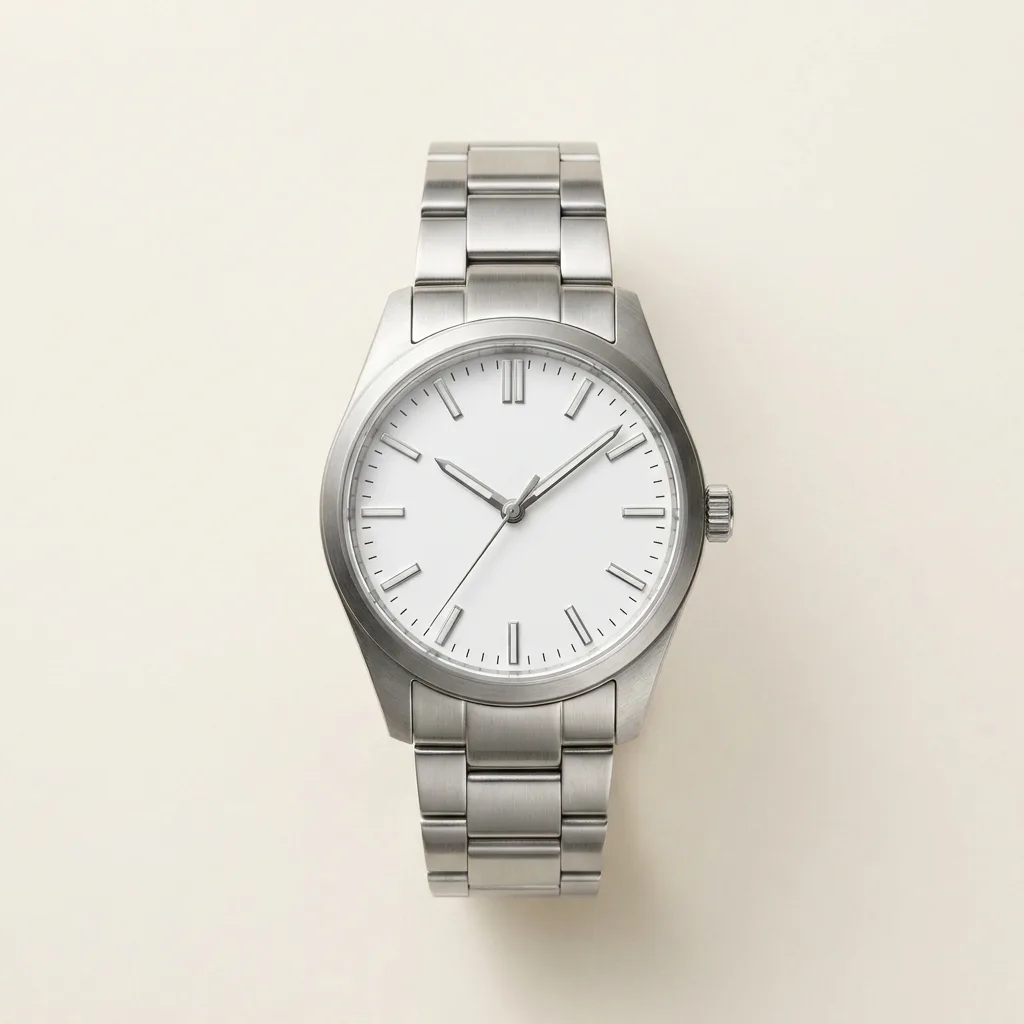 After
After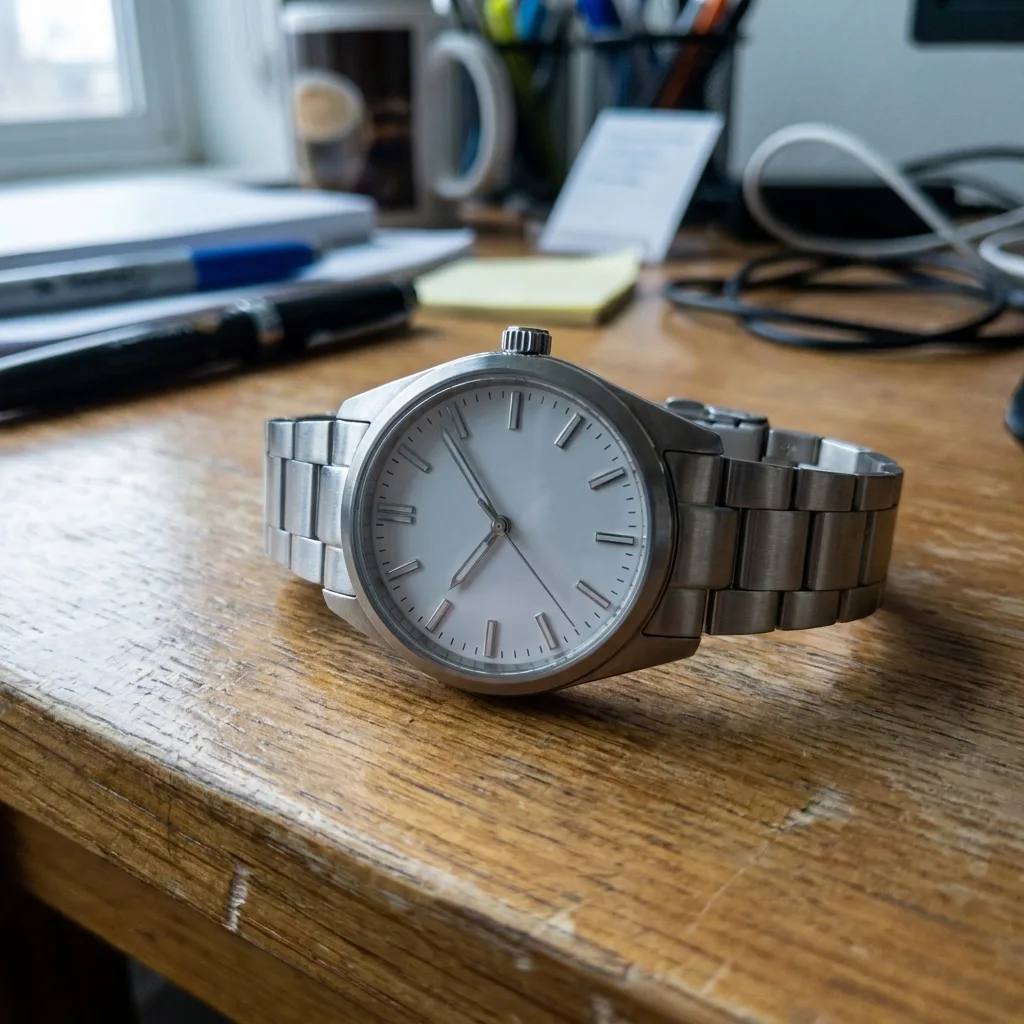 Before
Drag to compare — real Luvelano output
What to buy, in order
Budget rule: spend on stability and light shaping before you spend on cameras. The sensor is rarely the bottleneck; the wobble and the shadows are.
- 01
A tripod, first
The cheapest sharpness upgrade in photography. A small phone tripod removes blur, enables the self-timer and — most underrated — makes every shot in a series identical.
- 02
Backdrop paper
A roll of white and one neutral tone. Curved against a wall it gives the seamless studio ground that makes products float.
- 03
A lightbox, if you sell small things
For jewelry, watches and small reflective products, a folding lightbox controls reflections better than any amount of skill. Skip it for furniture-sized items.
- 04
One light and a bounce card
A single LED panel plus white card equals a controllable window that works at night. Buy a second light only when you know why you need it.
- 05
The camera, last
A recent phone outshoots a ten-year-old DSLR for web-sized product photos. Upgrade the camera only when print or extreme macro demands it.
- 06
Skip the rest
Turntables, filter kits, ring lights for products (they leave a ring reflection in everything glossy) — money that serves better in the backdrop and tripod.
Or invert the budget: one honest phone photo is enough, and Luvelano generates the studio around it — light, backdrop and consistency included, product kept identical.
Start free — no card neededFrom snapshot to shelf in three steps
No new gear, no learning curve. Luvelano does the studio work for you.
Upload your photo
One plain phone photo of your product is enough — no gear, no setup.
Pick a look
Studio packshot, lifestyle scene or on-model shot — you choose the output.
Publish
Download catalogue-ready images in minutes and put them straight on your shop.
Start free, upgrade when your shop grows
Paid plans from €19/month for your whole catalogue. Cancel anytime.
Frequently asked
What equipment do I need for product photography?
In earning order: a tripod, backdrop paper, a lightbox for small reflective products, one soft light with a bounce card. A modern phone covers the camera for web use.
Do I need a DSLR for product photography?
For web listings, no — steadiness and light quality decide the result. A DSLR or mirrorless starts paying off for large prints and specialised macro work.
Is a ring light good for product photography?
Usually not — ring lights are made for faces and leave a circular reflection in glossy products. A window or softbox with a bounce card gives cleaner results.
Explore more solutions
See your own products transformed
Upload one photo and watch Luvelano stage it in seconds. Free to start — no card required.
Get started free